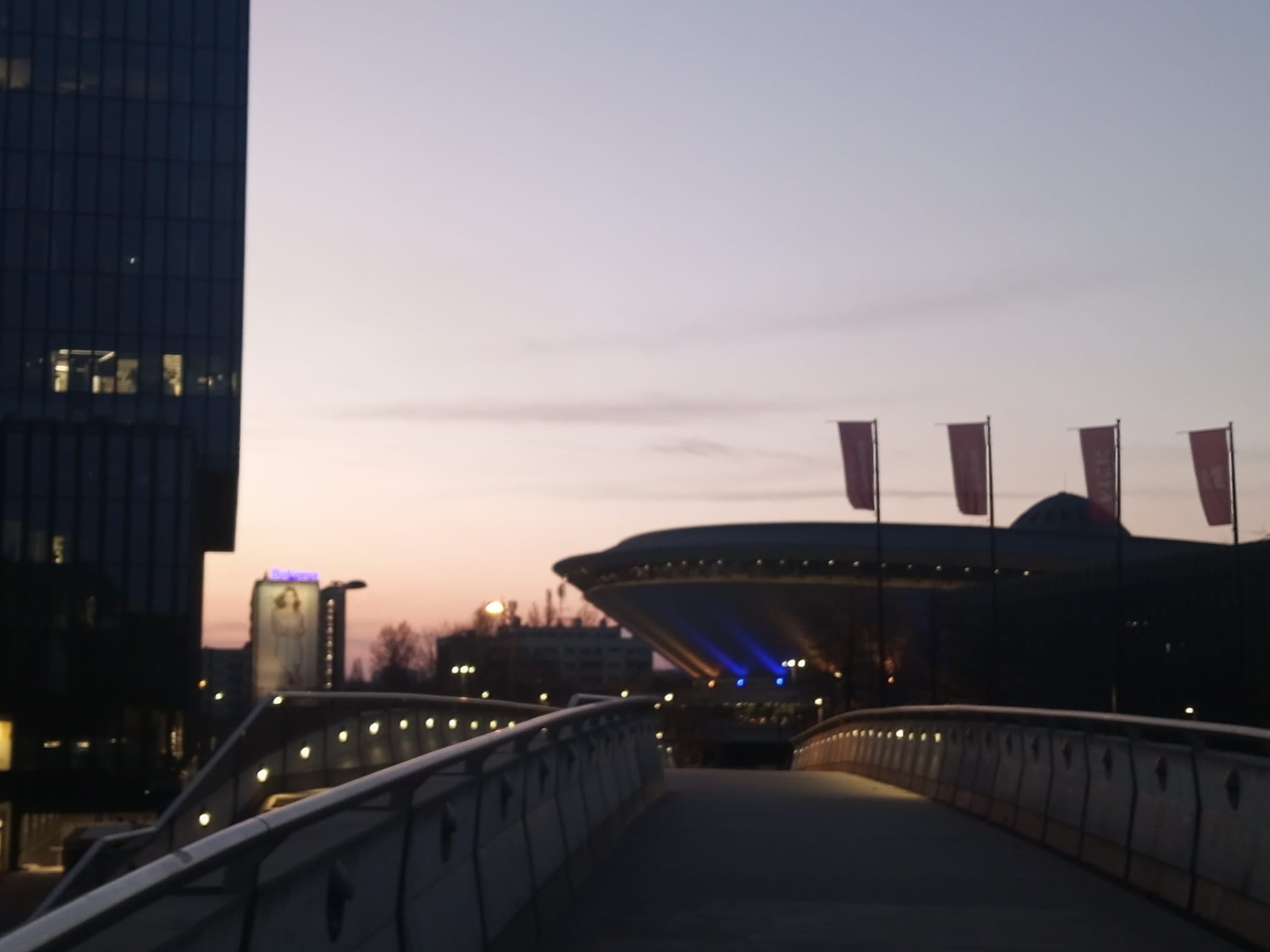
Last week I was in Katowice for a meeting of the Horizon-funded ISABEL Horizon project, where we explored the impacts of the green transition on job destruction and job creation, especially in regions historically shaped by coal industries.
What struck me most was the diversity of the consortium. It brings together people from fields such as IT, economics, geography, and sociology, and spans countries across Europe—North and South, East and West, both within and beyond the EU. In other words, it is a complex consortium, and complexity inevitably brings challenges.
But if reality itself is complex—and it clearly is—why should our research projects, or the ways we approach them, be any different?
After many years of working in multidisciplinary environments, one thing has become increasingly clear to me: interdisciplinarity is not easy. Our starting points, epistemologies, axiologies, and ontologies can differ profoundly. And yet, I am more convinced than ever that this is the direction we need to pursue.
There is, of course, great value in disciplinary spaces where methods and concepts can be deepened and refined. But that should not replace the need to design projects that push us beyond our comfort zones—projects that challenge us to collaboratively formulate the kinds of research questions our times demand from science.
On another note, I also felt grateful for the opportunity to visit coal mining communities in the region, a place I had long wanted to see. Bytom, north of Katowice, stands out as a striking example of where technology, mining heritage, the history of wars, state formation, ethnolinguistic divides, and communities navigating transition all intersect.


